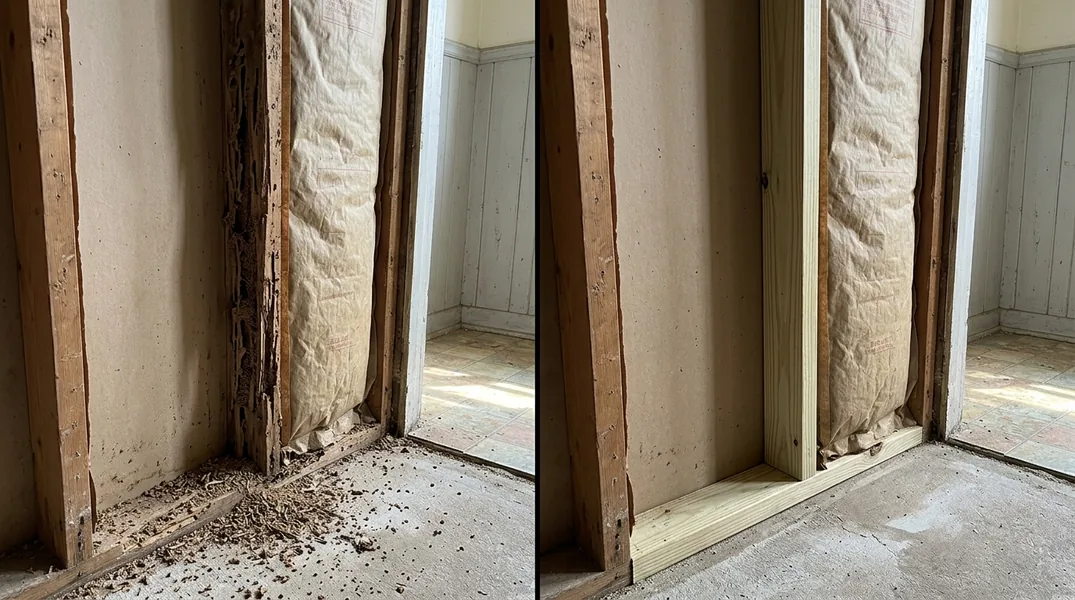
Understanding Ice Dam Damage vs. Dry Rot
Winter in Akron brings unique challenges to homeowners, and two of the most common structural issues are ice dam damage and dry rot. While both can compromise your home's integrity, they have very different causes and require different repair approaches. Ice dams form when snow melts on your roof and refreezes at the eaves, creating a barrier that forces water back under your shingles. Dry rot, by contrast, is a fungal decay that eats away at wood fibers from the inside out, weakening structural components over time.
Many homeowners confuse these two problems because both can lead to water intrusion and visible damage. However, understanding the distinction is crucial for getting the right repair and preventing further deterioration. Ice dam damage typically appears suddenly after winter weather events, while dry rot develops gradually and may go unnoticed for months or years. Knowing what does dry rot look like compared to water stains from ice dams will help you identify the real culprit in your home and take appropriate action.
What Does Dry Rot Look Like: Visual Signs to Watch For
Dry rot has a distinctive appearance that sets it apart from other types of water damage. The affected wood typically becomes darkened, often turning a deep brown or even black color. The wood surface may develop a brittle, cracked texture that resembles alligator skin, with deep fissures running across the grain. One of the most telling signs is that the wood becomes extremely lightweight and crumbly when you press on it with a tool or screwdriver. If you can easily poke a hole in the wood with minimal pressure, dry rot is likely present.
Another characteristic feature is the presence of fine, dust-like spores around the affected area. You might notice a musty smell near the rotted wood, similar to a damp basement or moldy attic. Dry rot often appears in areas with poor ventilation or chronic moisture exposure, such as around roof overhangs, window frames, and basement rim joists. The fungus spreads along the wood grain and can travel through masonry and other materials, making early detection important. If you notice any of these signs on your Akron home, it's time to call a professional for assessment.
Identifying Ice Dam Damage and Fascia Damage
Ice dam damage presents differently and often appears more suddenly than dry rot. When ice dams form along your roofline, they trap water that backs up under your shingles and into your attic or walls. The first signs of ice dam damage typically include water stains on your ceiling or upper walls, often appearing as light brown or yellowish marks. You might notice peeling paint, bubbling drywall, or water dripping into your attic space during warm spells. Unlike dry rot, water damage from ice dams usually appears after specific weather events, making the timeline clear.
Fascia damage is particularly common with ice dams in Akron homes. Your fascia board, the horizontal board that runs along the edge of your roof, bears the brunt of ice dam pressure and repeated freeze-thaw cycles. You'll notice the fascia becoming warped, separated from the roofline, or showing signs of surface deterioration. Paint may peel or crack, and the wood may appear swollen or discolored. Unlike dry rot, which creates a crumbly texture, ice dam damage wood often remains firm but shows clear water staining and paint failure. Checking your fascia regularly during winter and spring can help you catch ice dam damage early before it leads to more serious problems like dry rot developing in hidden areas.
Wood Rot vs. Water Damage: Key Differences Explained
Understanding the difference between wood rot vs water damage is essential for proper diagnosis and treatment. Water damage occurs when wood is exposed to moisture but hasn't yet begun to decay. The wood may swell, warp, or show discoloration, but the structural fibers remain relatively intact. Water damage is reversible if the moisture source is eliminated and the wood is allowed to dry properly. Dry rot, on the other hand, represents active fungal decay that destroys the wood's cellular structure. Once dry rot takes hold, simply drying out the wood won't stop the damage because the fungus has already compromised the material.
The progression from water damage to dry rot is a common problem in older homes and those with chronic moisture issues. Water damage from ice dams can create the perfect conditions for dry rot to develop if not properly addressed. That's why Wood Rot & Dry Rot Repair should be prioritized after any water intrusion event. A professional carpenter can assess whether you're dealing with reversible water damage or active fungal decay, and recommend the appropriate treatment. In many cases, affected wood sections need to be removed and replaced to prevent the rot from spreading to healthy wood nearby.
When to Call a Professional: Wood Rot & Dry Rot Repair Near Me
If you've identified signs of dry rot or significant ice dam damage in your home, professional assessment is crucial. While minor water stains might simply need monitoring and source correction, active dry rot requires expert intervention. A qualified carpenter can determine the extent of the damage, identify the moisture source, and develop a comprehensive repair plan. Wood Rot & Dry Rot Repair typically involves removing affected wood sections, treating the area to prevent fungal regrowth, and installing new structural components. This work requires proper techniques to ensure your home's safety and structural integrity.
Akron Carpentry specializes in diagnosing and repairing both ice dam damage and dry rot throughout Akron. Our experienced team can inspect your fascia, roof framing, attic, and other vulnerable areas to identify the true cause of your damage. We'll provide you with a detailed assessment and explain your options in plain language. Don't wait until minor damage becomes a major structural problem. Contact us today at (234) 231-8373 or request a free estimate to have your home evaluated by a professional.
Prevention: Protecting Your Akron Home From Ice Dams and Dry Rot
The best approach to both ice dam damage and dry rot is prevention. For ice dams, proper attic ventilation and insulation are critical. Your attic should be well-ventilated to prevent warm air from melting snow on your roof. Adequate insulation keeps heat from escaping into the attic space in the first place. Keeping gutters clean and ensuring proper drainage away from your foundation also helps prevent moisture problems that can lead to dry rot. In winter, monitoring your roofline after snowfall can help you identify ice dam formation before serious water intrusion occurs.
To prevent dry rot, maintain proper ventilation in all areas of your home, especially crawl spaces, attics, and basements. Fix leaks promptly, keep gutters and downspouts functioning properly, and ensure your grading slopes away from your foundation. Inspect your fascia, soffits, and roof overhangs regularly for signs of water damage or deterioration. If you notice any concerns, addressing them quickly prevents expensive repairs later. Regular maintenance and prompt attention to water intrusion are your best defenses against both ice dam damage and the fungal decay of dry rot in your Akron home.
Looking for a professional carpentry contractor in Akron? Akron Carpentry responds fast for all your carpentry needs.
Get a Free QuoteOur services: Wood Rot & Dry Rot Repair · Termite Damage Repair · Floor Joist & Subfloor Repair