Understanding Your Goodyear Heights or Firestone Park Home
If you own a home in Goodyear Heights or Firestone Park, you're the steward of some of Akron's most distinctive residential neighborhoods. These historic communities, developed in the early 20th century, feature charming craftsman-style homes, vintage brick construction, and original wood details that give them real character. But that character comes with responsibility. Homes built in the 1920s and 1930s were constructed with materials and methods that differ significantly from modern building standards, and they require a different maintenance mindset than newer properties.
The wood framing, siding, trim, and structural elements in these older homes have now endured nearly a century of Akron's humid summers and freeze-thaw winters. That exposure takes a toll. Understanding what your historic home needs is the first step toward protecting your investment and keeping your family safe. Many homeowners in these neighborhoods discover problems only after they've become serious and expensive. The good news is that with honest, informed maintenance, you can catch issues early and preserve your home's integrity for decades to come.
Why Wood Siding and Exterior Trim Fail in Historic Homes
Wood siding repair is one of the most common issues we see in Goodyear Heights and Firestone Park. The original wood siding on these homes was often installed directly over wood sheathing with minimal air gap or moisture management. Over time, water infiltration becomes inevitable. Rain doesn't just run off cleanly; it seeps into joints, under trim, and into gaps where paint has failed or caulking has cracked. Once water gets behind the siding, it sits there, trapped against the wood, creating the perfect environment for decay.
The freeze-thaw cycles in our Ohio winters make this problem worse. When water gets into wood and freezes, it expands. This expansion pushes siding away from the house, creates new gaps, and accelerates deterioration. Many homeowners notice soft spots in their siding, paint peeling in sheets, or wood that feels spongy to the touch. These are all signs that moisture has been working on your home for years. The longer you wait, the deeper the damage penetrates, and the more expensive the repair becomes. Early intervention is not just smart; it's economical.
Wood Rot and Dry Rot: What Every Historic Homeowner Should Know
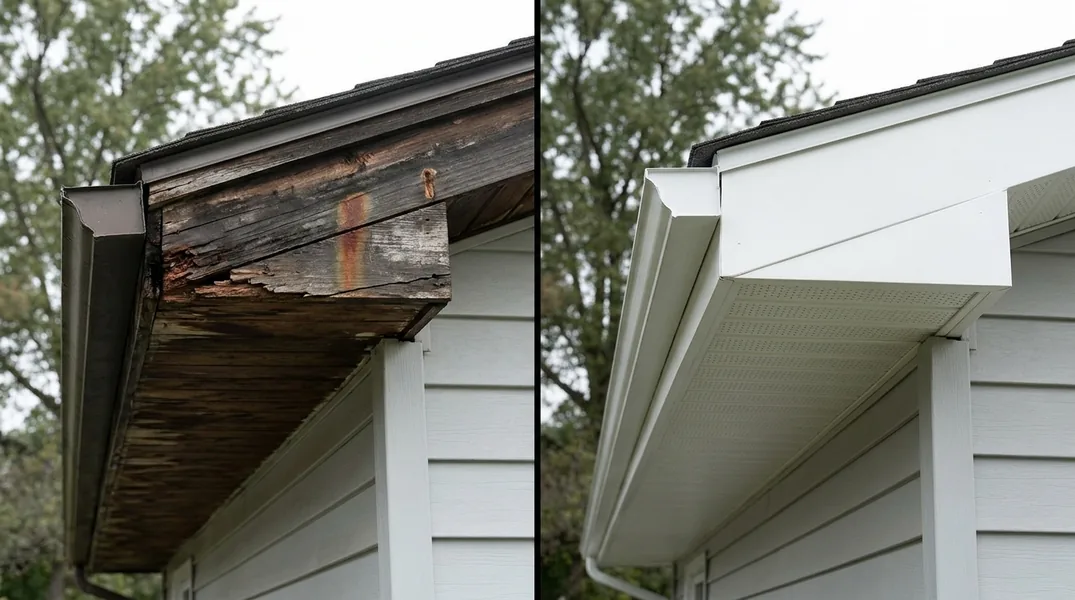
Wood Rot & Dry Rot Repair is a critical service for homes in these neighborhoods because rot is progressive and silent. Unlike a broken window or a missing shingle, wood rot develops inside the wood where you can't see it. By the time you notice soft spots, discoloration, or a musty smell, the damage has often spread to structural members you can't easily access. Dry rot, despite its name, is caused by moisture and fungi. It breaks down the cellulose in wood, reducing it to a crumbly, weak material that can no longer support weight or resist stress.
The difference between wet rot and dry rot matters less than understanding that both require immediate professional attention. Wet rot typically stays localized to areas with active moisture. Dry rot can spread through wood, jumping from one member to another, even across gaps. In older homes where structural beams, joists, and rim boards are made of solid wood, dry rot in the wrong location can compromise the safety of your entire house. This is not a DIY situation. If you suspect rot in structural wood, you need a qualified carpenter to assess the damage and determine whether repair or replacement is necessary.
Floor Joist and Subfloor Problems in Older Akron Homes
Floor Joist & Subfloor Repair becomes necessary when moisture from basements, crawlspaces, or plumbing leaks attacks the wood that holds your floors up. Many historic homes in Akron were built with shallow basements or crawlspaces that lack modern moisture barriers. Without a vapor barrier or with a failed one, ground moisture wicks up into the wood continuously. Over decades, this constant exposure weakens floor joists and subflooring until they can no longer carry weight properly.
Signs of failing floor joists include soft or springy floors, sagging in certain areas, or a feeling that your floor moves when you walk. You might notice cracks in plaster ceilings in the basement or musty odors rising from below. These symptoms mean your home's foundation system is compromised. The repair process often involves sister joists (reinforcing existing joists with new wood bolted alongside them) or selective replacement of damaged sections. This is structural work that requires careful assessment and expert execution. Getting a free estimate from a qualified carpenter is the right first step if you're concerned about your floors.
When You Need Beam Replacement and Structural Support Work
Beam Replacement & Load-Bearing Wall Removal is advanced structural carpentry that becomes necessary when primary support members fail. In historic homes, the main beam (often called a girder or ledger beam) runs across the basement and supports the entire first floor. If this beam rots or fails, your house literally sags. You might see cracks in walls, doors that stick or won't close, or visible dips in your floors. These are emergencies that demand immediate professional intervention.
Replacing a main beam is complex work that involves temporary support systems, careful removal of the failed member, and installation of a new beam that meets current building codes. It's not something a general contractor should attempt. This work requires structural engineering, building permits, and inspections. The pricing for beam replacement reflects the complexity and the critical nature of the work, but it's an investment in keeping your home safe and preventing catastrophic failure. If you suspect beam damage, don't wait. Contact Akron Carpentry at (234) 231-8373 to schedule an inspection.
Your Honest Maintenance Plan for Historic Home Success
The best defense against costly repairs is a regular maintenance routine. Walk around your home twice a year, in spring and fall. Look for cracks in caulking, gaps in siding, peeling paint, and soft spots in trim. Check your gutters and downspouts to ensure they're directing water away from the foundation. Look at the grading around your home; water should slope away from the house, not toward it. Inspect basement and crawlspace walls for water stains or efflorescence (white mineral deposits that indicate moisture). Fix small problems immediately before they become big ones.
Paint is not just cosmetic on older homes; it's a moisture barrier. When exterior paint fails, water enters. Repaint your siding and trim every 5 to 7 years, or sooner if you notice failure. Caulk gaps and joints annually. Ensure your roof is sound and your flashing is intact. Keep trees trimmed back so branches don't touch your roof or siding. These simple habits will extend the life of your home dramatically. When you do find damage, address it quickly with qualified professionals. Akron Carpentry has years of experience repairing historic homes in Goodyear Heights, Firestone Park, and throughout Akron. If you're unsure about any condition, get a professional opinion. Call (234) 231-8373 or visit our website to request a free estimate.
Looking for a professional carpentry contractor in Akron? Akron Carpentry responds fast for all your carpentry needs.
Get a Free QuoteOur services: Wood Rot & Dry Rot Repair · Termite Damage Repair · Floor Joist & Subfloor Repair